Best Tech-Enhanced Tourist Attractions Around the World
Written by TechFrontline Team
Technology has transformed our experience with tourist attractions in the modern era.From modern smart tours to augmented reality experiences, tech-enhanced locations offer special means to explore history, culture, and environment.In this article, we’ll explore some of the most tech-forward tourist attractions from around the world, offering travelers unforgettable experiences through innovation.
The Louvre Museum, Paris - Augmented Reality and Virtual Tours
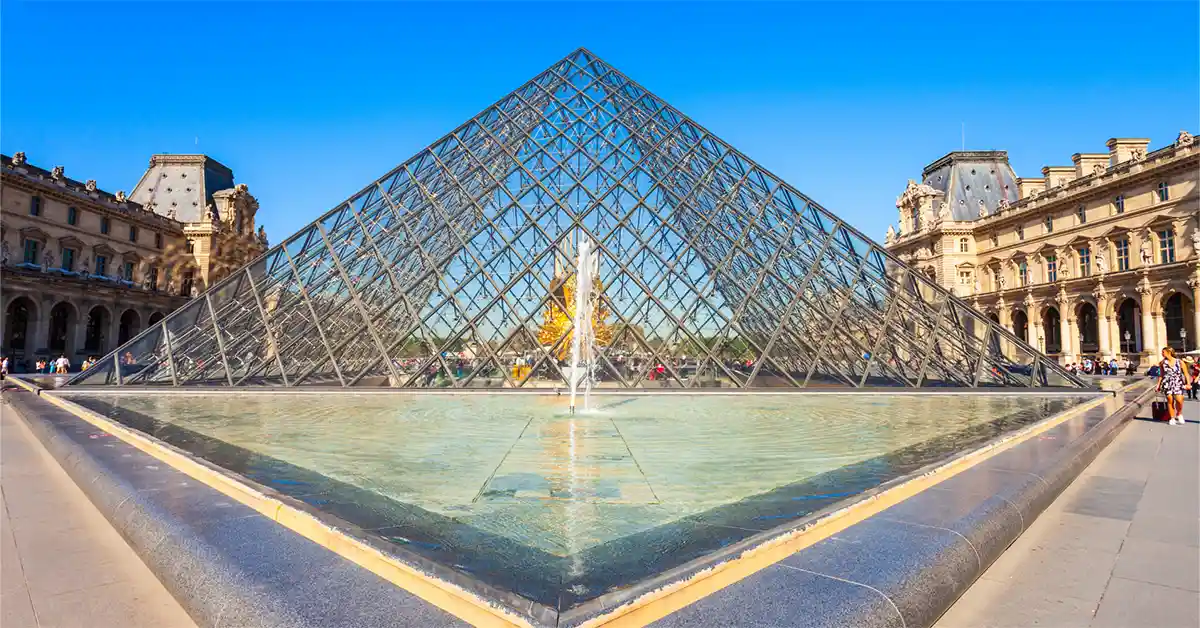
As the world’s largest art museum, the Louvre embraces modern technology to offer visitors an immersive experience. Through its app, visitors can engage in augmented reality (AR) features that bring iconic works to life, providing historical context, deeper insights, and an enhanced view of exhibits. Louvre Museum - Virtual Tours also allow art lovers from around the globe to explore its halls from the comfort of their homes.
Key Tech Highlights:
- Augmented reality features through the museum’s official app.
- Virtual tours providing high-definition views of renowned exhibits.
- QR codes throughout exhibits offering additional digital content.
The Great Wall of China - Interactive Smart Tourism
Stretching over 13,000 miles, the Great Wall of China has integrated interactive technology to create a smart tourism experience. Visitors can access 360-degree panoramic views and historical data using an interactive app while at the Wall. Drone tours and augmented reality are also available, allowing travelers to explore parts of the Wall that are less accessible.
Key Tech Highlights:
- Mobile apps with AR to explore the Wall virtually.
- Drones providing aerial tours of the Wall’s most remote areas.
- Interactive maps with historical context and 3D visualization.
Burj Khalifa, Dubai - High-Tech Observation Deck
At 828 meters, the Burj Khalifa is the tallest building in the world, and its tech-enhanced observation deck makes the experience even more impressive. Using cutting-edge VR technology, visitors can experience a virtual jump from the top of the tower. Additionally, interactive screens on the observation deck offer real-time data about the cityscape and skyline.
Key Tech Highlights:
- Virtual reality experiences at the top of the Burj Khalifa.
- Interactive digital screens showcasing the city’s landmarks.
- Augmented reality maps guiding visitors through the experience.
Tokyo’s TeamLab Borderless Museum - Digital Art Revolution
TeamLab Borderless in Tokyo is a world-renowned digital art museum that combines art, science, and technology. The museum’s installations respond to the movements and interactions of visitors, creating a constantly evolving environment. Using projection mapping, sensors, and light technology, each exhibit creates an immersive experience like no other.
Key Tech Highlights:
- Interactive digital art installations that respond to visitors.
- Projection mapping technology for dynamic visual displays.
- Use of light sensors to create evolving art experiences.
5. The British Museum, London - Smart Audio Tours and AR
One of the world’s most iconic museums, the British Museum has integrated AR and smart audio tours to enhance the visitor experience. With the museum's app, visitors can scan artifacts to access additional layers of historical information and 3D models of artifacts. Smart guides offer personalized tours based on visitor interests, creating a tailored experience.
Key Tech Highlights:
- Augmented reality tools that provide interactive artifact insights.
- Personalized smart audio tours with location-based content.
- 3D models of artifacts and exhibitions accessible through the app.
The Smithsonian Institution, Washington D.C. - Virtual Reality and AI Tools
The Smithsonian Institution in Washington D.C. has embraced artificial intelligence (AI) and virtual reality (VR) to engage visitors in new ways. VR headsets allow users to travel back in time and explore ancient civilizations, while AI tools personalize the museum experience based on visitor behavior and interests.
Key Tech Highlights:
- VR simulations of historical events and ancient civilizations.
- AI-driven personalized tours that adapt to visitor preferences.
- Interactive learning experiences powered by AI and VR.
Singapore’s Gardens by the Bay - Sustainable Tech Integration
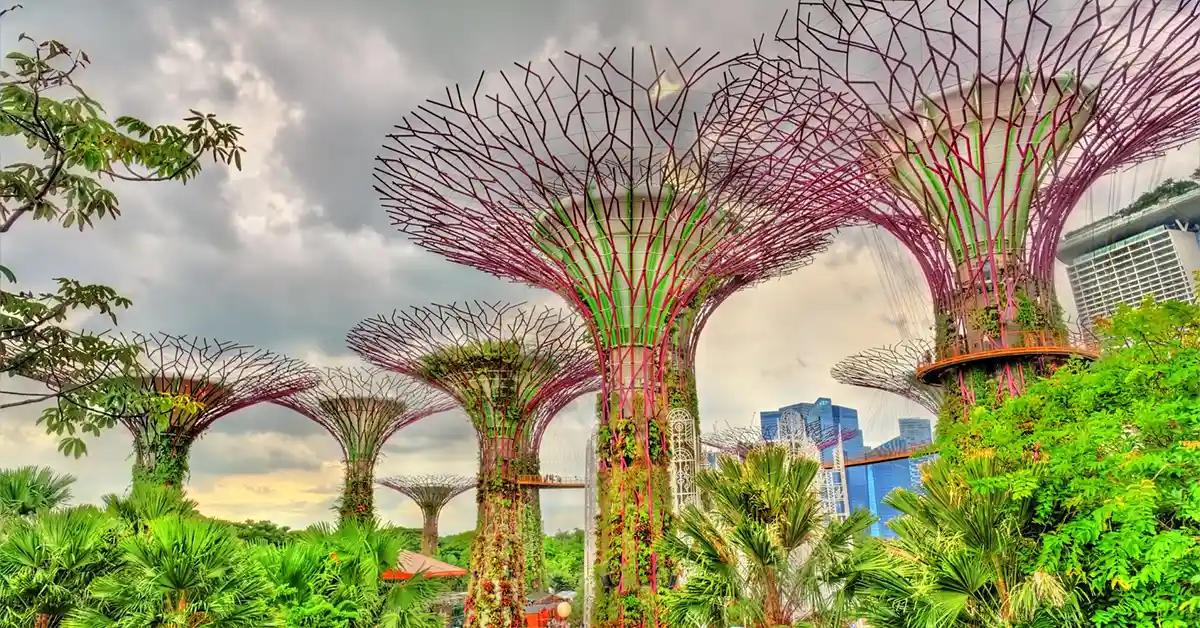
Gardens by the Bay is a stunning garden complex that integrates sustainability with advanced technology. The park’s famous Supertree Grove uses solar energy to power the surrounding gardens, while light shows are enhanced by synchronized music and AI-powered lighting. Visitors can also use an app to receive information about the plant species and biodiversity found within the gardens.
Key Tech Highlights:
- Solar-powered Supertrees with light and sound shows.
- Interactive app that provides real-time plant and biodiversity data.
- AI-powered systems that control lighting and water conservation.
The Kennedy Space Center, Florida - Augmented Reality Space Experiences
For space enthusiasts, the Kennedy Space Center offers AR and VR experiences that bring the wonders of space exploration to life. Using AR, visitors can interact with space shuttles and experience launch simulations. The Space Center’s VR zone allows users to virtually walk on the moon or fly through space.
Key Tech Highlights:
- AR technology enabling interactions with space shuttles.
- VR launch simulations and moonwalk experiences.
- Smart guides providing real-time space exploration data.
Machu Picchu, Peru - Digital Mapping and AR for Preservation
Machu Picchu, the iconic Inca citadel, has integrated digital mapping and AR to enhance the visitor experience while preserving its historic ruins. Visitors can explore the site through interactive maps that showcase 3D reconstructions of what the site might have looked like in ancient times. Additionally, digital preservation tools are used to monitor and protect the fragile environment.
Key Tech Highlights:
- 3D reconstructions of Machu Picchu’s original structures.
- AR-guided tours that offer a glimpse into ancient Incan life.
- Digital tools used for environmental preservation and monitoring.
The Vatican Museums, Vatican City - 360-Degree Virtual Reality Tours
The Vatican Museums offer a virtual reality experience that allows visitors to explore the Sistine Chapel, Raphael Rooms, and more. This 360-degree experience, accessible via the museum's website, offers an in-depth look at the iconic art and architecture of the Vatican. For those visiting in person, audio tours enriched with historical details are available via a mobile app.
Key Tech Highlights:
- 360-degree virtual reality tours of Vatican City.
- Mobile apps offering in-depth historical insights on iconic art.
- Audio guides with real-time translations and historical context.
Conclusion
As technology continues to evolve, so does the way we experience tourist attractions. From AR and VR to AI-driven guides, these tech-enhanced tourist destinations are revolutionizing the travel experience, making exploration more interactive, informative, and accessible. Whether it's the immersive art installations at TeamLab or the interactive digital displays at the British Museum, tech integration is enhancing our ability to learn and engage with culture, history, and nature.
Incorporating cutting-edge technology not only enriches the visitor experience but also paves the way for more sustainable and inclusive tourism. By leveraging these innovations, travelers can enjoy richer, more engaging experiences that make learning and exploring destinations both informative and fun.
destination reviews