Biometric Technologies
Written by TechFrontline Team
In the ever-progressing domain of technology, biometric technologies have emerged as a game-changer, completely altering the landscape of security, authentication, and identity verification. This investigation delves into the multifaceted world of biometrics, exploring their various applications, challenges, and the profound impact they have on both our digital and physical realms.
Defining Identity
The field of biometrics involves the measurement and analysis of unique physical or behavioral characteristics to accurately identify and authenticate individuals. Unlike traditional methods such as passwords or PINs, which can easily be forgotten or compromised, biometric traits are inherently connected to an individual, ensuring a secure and convenient means of verifying one's identity.
Fingerprint Recognition
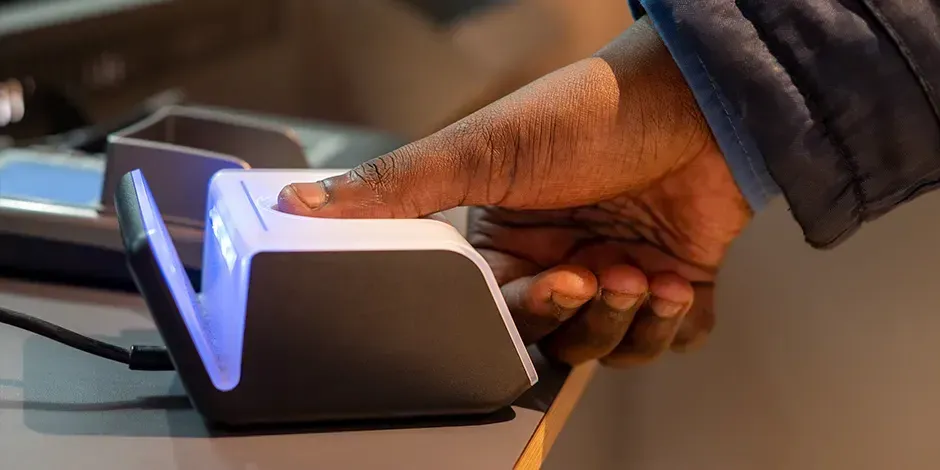
The utilization of fingerprint recognition has a long-standing history and is widely embraced as a prominent form of biometric technology. The individualistic patterns formed by the ridges and valleys on one's fingertips serve as an exclusive means of identification, ensuring secure access to various devices, establishments, and sensitive information. The integration of fingerprint sensors in mobile phones and laptops perfectly exemplifies the effortless assimilation of this technology into our everyday routines.
Facial Recognition
In the past few years, facial recognition technology has gained significant attention due to the progress made in machine learning and computer vision. Through the use of cameras, facial features are captured and analyzed, resulting in the creation of a unique facial signature for each individual. This technology has found its way into various applications, such as unlocking smartphones and improving airport security systems. Consequently, facial recognition is transforming the way we engage with technology.
Voice Recognition
By utilizing the distinct vocal patterns of individuals, voice recognition technology serves as a means of authentication. As this technology progresses, it goes beyond identity verification and extends its capabilities to detecting emotions and stress levels. The versatility of this biometric modality is exemplified through the implementation of voice-activated systems like virtual assistants and telephone banking systems.
Palm Vein Recognition
By delving beneath the skin's surface and analyzing the intricate vein patterns, palm vein recognition surpasses the limitations of surface features in biometrics. This cutting-edge technology is widely recognized for its exceptional accuracy and formidable resistance to fraudulent attempts. Its implementation in secure environments like hospitals and financial institutions ensures a robust and reliable method of verifying one's identity.
Biometrics in Finance
Biometrics have been embraced by the banking and finance sector to enhance security and provide a seamless user experience. Fingerprint and facial recognition are commonly used for authentication in mobile banking, while voice recognition adds an extra layer of security for transactions conducted over the phone. The use of biometrics is transforming the financial landscape, making transactions more secure and convenient.
Biometrics in Travel
The implementation of biometric technologies is on the rise within airports and border control agencies, aiming to fortify security measures and streamline the processing of passengers. By utilizing facial recognition, iris scanning, and fingerprint recognition, these technologies enable efficient identity verification, leading to shorter queues and improved overall travel efficiency. Biometrics are playing a crucial role in shaping the future of border security.
In our digital age, biometric technologies are essential for both security and convenience. They have numerous applications, such as unlocking smartphones, securing financial transactions, and enhancing border control. The use of biometrics continues to grow, and as we navigate this evolving landscape, it is crucial to address the challenges and ethical considerations that arise. It is imperative to ensure that the adoption of biometrics aligns with principles of privacy and responsible use. With continuous advancements, biometrics are poised to play an even more integral role in shaping the secure and interconnected future that awaits us.
tech