How Blockchain is Being Used to Preserve Cultural Artifacts
Written by TechFrontline Team
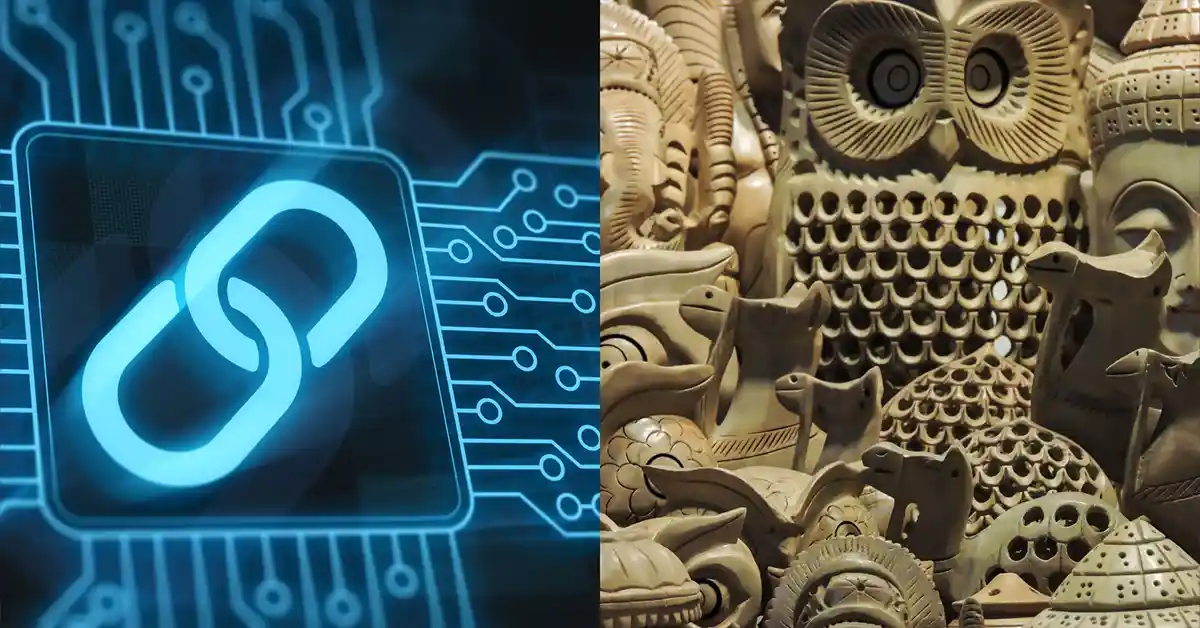
Blockchain technology is revolutionizing many sectors, and its effects on cultural artifact preservation are just starting to gather steam. Emphasizing authenticity, traceability, and openness, blockchain provides a safe digital ledger tracking artifact provenance and ownership, so preventing forgery and illegal trade. Here is a whole view of how blockchain is helping to preserve cultural legacy.
Introduction
Cultural artifacts represent the rich history and legacy of civilizations.However, these invaluable pieces of history face threats ranging from theft to forgery and illegal trade. As a decentralized and secure method of data recording, blockchain technology is emerging as a promising solution for preserving cultural heritage and safeguarding artifacts. The immutability and transparency of blockchain make it an ideal tool for ensuring that historical artifacts maintain their authenticity, and its application in this field is steadily expanding.
The Challenges of Preserving Cultural Artifacts
Over the years, cultural institutions, museums, and private collectors have faced numerous challenges when it comes to preserving artifacts.Some of the most pressing issues include:
Theft and Illegal Trade: The illicit trade of cultural heritage items is a global problem. Many stolen artifacts find their way into private collections or black markets, making it difficult to track their provenance. Forgery and Counterfeit: Forgeries and counterfeit artifacts pose a significant threat to museums and collectors.2.*These fakes can devalue original artifacts and mislead historical understanding. Degradation and Loss: Artifacts degrade over time, leading to the potential loss of historical and cultural significance. Institutions face difficulties preserving these items for future generations.
How Blockchain Addresses These Challenges
Blockchain offers several solutions that address the preservation and protection of cultural artifacts:
Provenance Tracking: Blockchain can create a transparent and immutable record of an artifact’s history. From its discovery or creation to its sale, blockchain enables institutions to track every stage of an artifact’s life, ensuring its authenticity. Combating Illegal Trade: By recording ownership and transfer details on the blockchain, institutions can more easily identify stolen or illegally traded items. This openness holds people or companies responsible and helps stop the flow of pilfers of art. Digital Preservation: Blockchain provides a means for digital preservation of artifact details, so ensuring that even if the actual object deteriorates, its history, description, and provenance are safely kept and easily available for next study. Prevention of Forgery: Blockchain can produce an electronic certificate of authenticity for relics, so preventing forgery. Attached to the item at every transaction, this certificate guarantees the authenticity of the artifact always.
Real-World Applications of Blockchain in Cultural Artifact Preservation
Several projects and organizations are already leveraging blockchain to preserve and protect cultural heritage.Below are some examples:
Smart Contractualism and the British Museum The British Museum has tested registering and tracking the provenance of objects using blockchain technology.Smart contracts allow the museum to automatically sell and transfer objects while guaranteeing their provenance is safely recorded. The Blockchain Initiative of UNESCO Working with governments and commercial companies to track and secure artifacts at risk of theft or damage in conflict areas, UNESCO has shown interest in using blockchain technology to safeguard cultural legacy. Everledger for Verification of Ancestral Objects Renowned for its blockchain uses in the diamond sector, Everledger is investigating related technologies to confirm the provenance of priceless art and cultural relics. Their platform tracks the origins, ownership, and transfer of high-value items using blockchain.
Case Studies: Blockchain in Action
The Heritage Ledger Project The Heritage Ledger is an innovative project that uses blockchain to register historical artifacts and protect them from loss, theft, or destruction. Artifacts are registered on a decentralized ledger, allowing museums and collectors to trace their history securely.
UNIDROIT Convention and Blockchain The UNIDROIT Convention, which protects cultural artifacts from illegal trade, has explored using blockchain to enforce artifact protection on an international level. This use of blockchain technology ensures that stolen artifacts are less likely to be traded across borders.
Blockchain and Museums: A Collaborative Future
While blockchain holds immense promise for cultural preservation, it also opens the door to collaboration between institutions and the public. For example:
Tokenization of Artifacts: Blockchain allows museums to tokenize artifacts, creating fractional ownership that enables the public to own a piece of history.
Crowdsourced Preservation: Using blockchain, museums can invite donations from individuals around the world, offering them digital tokens as proof of their contribution to preserving an artifact.
Educational Opportunities: By making records of artifacts transparent and accessible, blockchain allows researchers, students, and the public to learn about the provenance and significance of artifacts.
Privacy and Ethical Considerations in Blockchain Preservation
While blockchain offers exciting opportunities for cultural preservation, it also raises concerns about privacy and data security. Artifact owners, collectors, and institutions need to carefully consider the ethical implications of storing sensitive information on a public ledger. Issues like data ownership, accessibility, and the potential commercialization of cultural heritage must be addressed.
- Data Ownership: Who owns the data recorded on the blockchain? Can artifact information be commercialized or sold to third parties?
- Public vs. Private Ledgers: Should the details of artifacts be made public, or should they remain private? Balancing transparency and privacy is key in these discussions.
Conclusion
By offering a safe, open, and unchangeable means of provenance tracking, illegal trade prevention, and authenticity assurance, blockchain technology is transforming the preservation and protection of cultural objects. Blockchain presents hope for a time when cultural legacy is preserved and shared with next generations as museums, collectors, and governments investigate its whole potential.
Blockchain is a great weapon for artifact preservation since it can mix digital records with distributed verification. More institutions will probably use blockchain-based solutions as we go forward, so creating a future whereby the provenance and history of cultural objects are safe, open, and easily available.
cultural insights