Smart Homes
Written by TechFrontline Team
The Wonders of Smart Homes and Connected Living
With the advent of digital transformation, smart homes have emerged as a symbol of technological progress, completely transforming our way of life, work, and interaction within our living spaces. This examination delves into the diverse elements of smart homes, ranging from intelligent devices and automation to the potential impact on energy efficiency and daily routines.
Connectivity and Integration
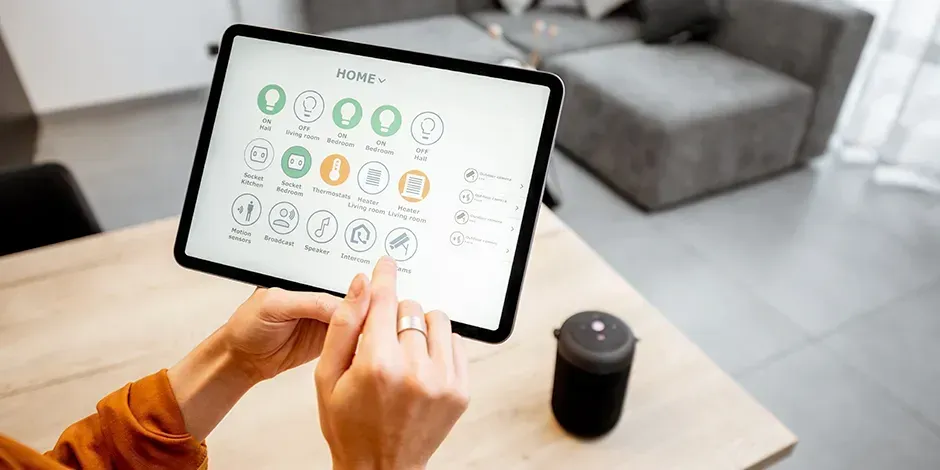
Smart homes are built upon the seamless integration of devices using the Internet of Things (IoT). Through the utilization of connectivity protocols like Wi-Fi, Bluetooth, Zigbee, and others, smart homes create a networked ecosystem. This enables devices such as thermostats, lights, security cameras, and appliances to communicate and collaborate, enhancing the synchronization and efficiency of daily living.
Intelligent Devices
Smart homes are known for their wide range of intelligent devices that are designed to enhance convenience and efficiency. For example, smart thermostats can learn user preferences and optimize heating and cooling, while smart lighting systems offer customizable ambiances. Additionally, voice-activated assistants, smart locks, and doorbells contribute to creating a connected and secure living environment.
Voice-Activated Assistants
The prevalence of voice-activated assistants like Amazon's Alexa, Google Assistant, and Apple's Siri in smart homes is undeniable. These digital companions are programmed to react to voice commands, enabling users to effortlessly control connected devices, obtain answers to inquiries, and even engage in natural language conversations. The incorporation of artificial intelligence further enhances their functionalities, solidifying their status as indispensable components of the smart home experience.
Energy Efficiency and Sustainability
Smart homes play a vital role in promoting energy efficiency and sustainability. Through the use of smart thermostats, heating and cooling can be optimized, while smart lighting systems effectively decrease energy consumption. Furthermore, energy monitoring devices provide valuable real-time insights into usage patterns. These features not only contribute to lower utility bills but also align with the global movement towards sustainable living.
Enhanced Security and Surveillance
The security of smart homes is of utmost importance, and technology has effectively tackled this issue. With the presence of smart cameras, doorbell cameras, and motion sensors, real-time monitoring and alerts are now achievable. By seamlessly integrating these devices with smartphone apps, homeowners can conveniently engage in remote surveillance and control, providing them with a sense of tranquility and access to robust security features.
AI, 5G, and the Evolution of Smart Living
The future of smart homes is set to bring forth an array of advanced functionalities. Artificial intelligence (AI) is expected to play a central role in this evolution, enabling devices to learn and adapt to user preferences, anticipate their requirements, and continuously enhance automation capabilities. Furthermore, the introduction of 5G technology will bolster connectivity, ensuring swift data transfer and minimal latency, thereby fostering a more responsive and interconnected smart home ecosystem.
Smart homes signify a revolutionary phase in the progression of residential environments. By incorporating energy-efficient features, automation, advanced security systems, and personalized experiences, the integration of smart technologies is reshaping our connection with our dwellings. As we embark on the path towards a connected future, this journey promises continuous innovation, ensuring that our homes not only cater to our needs but also have the ability to anticipate and adapt to our ever-changing lifestyles. Welcome to the era of intelligent living, where homes become intuitive, interconnected, and truly intelligent.
latest tech