Tech-Driven Tourism: How Apps Are Changing Cultural Travel Experiences
Written by TechFrontline Team
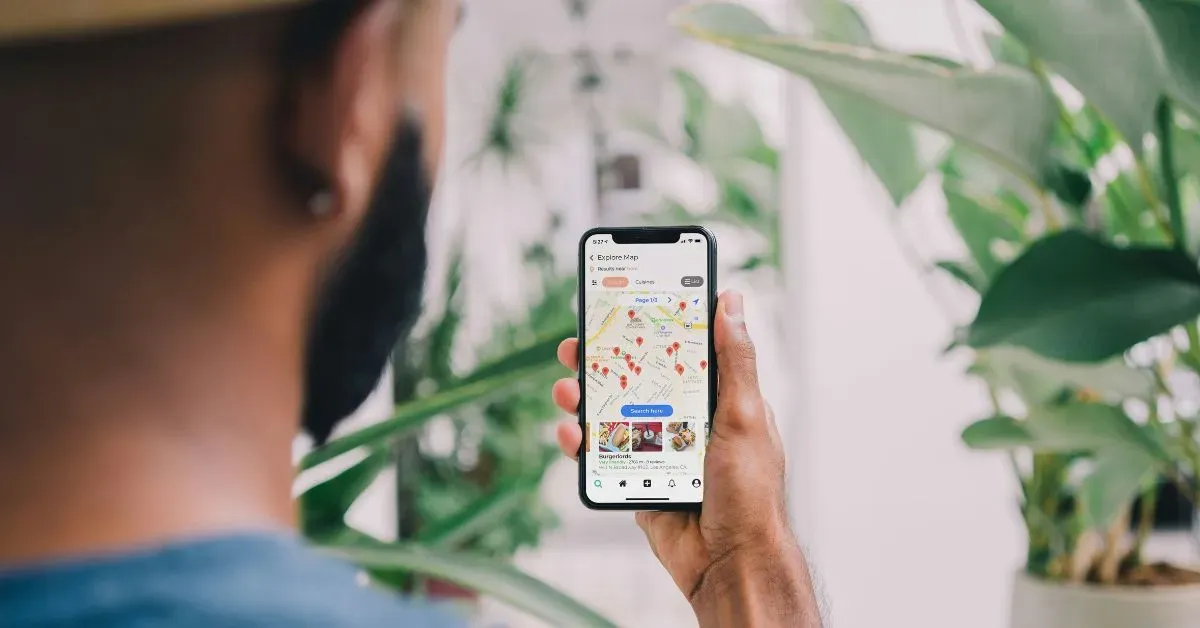
In our rapidly evolving digital landscape, technology continues to reshape the way we experience the world, especially in tourism. Days when travelers used to depend on brochures and travel guides are long gone. Technology, especially through the growth of smartphones and applications, changes the way travelers explore cultural destinations, from trip planning to finding out the most insightful pieces in a museum.
The Rise of Travel Apps
Travel apps have transformed from niche products to essential tools for modern travelers. According to a report from Statista, the travel app market is expected to reach approximately $154 billion by 2028. This explosive growth highlights how integral these tools have become in shaping our travel experiences.
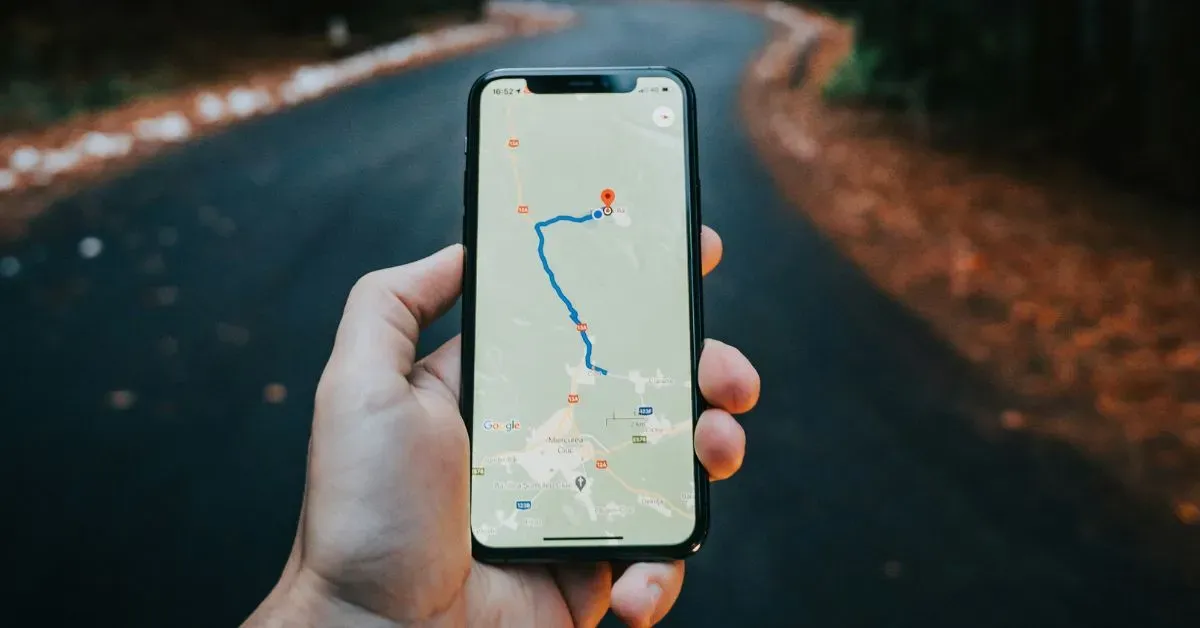
Popular apps such as TripAdvisor, Airbnb, and Google Maps are now household names. TripAdvisor, for instance, not only provides user reviews for hotels and restaurants but also helps travelers connect with local experiences. Most of all, we are living in a cool age where all the info you need to plan a trip is right at our fingertips and our cultural experiences can be easily elevated.
Enhancing Cultural Experiences
One of the most significant ways travel apps are changing the game is by enriching our understanding of cultural sites. Imagine walking through a historic district and having an app guide you through its history, pointing out landmarks, and sharing stories about the people who once lived there. These apps make cultural exploration interactive, turning a simple walk into an educational journey. Take the example of Smartify, an app that allows museum-goers to scan artworks and receive detailed information about the pieces. This type of augmented reality experience not only informs visitors but also creates a deeper connection with the art and culture they are engaging with. With these apps, the days of simply observing are gone, instead, we are invited to interact and learn.
The Role of Augmented Reality (AR)
Augmented reality (AR) has emerged as a powerful tool in enhancing cultural experiences while traveling. By overlaying digital information onto the real world, AR apps bring history to life. One notable example is the Google Arts & Culture app, which offers virtual tours of museums around the globe. Through AR features, users can engage with exhibits in ways that were previously unimaginable. Consider a visit to the ancient ruins of Pompeii. With an AR app, you could view a reconstruction of how the city looked before the eruption of Mount Vesuvius. This immersive experience not only educates but also captivates travelers, making history tangible. The ability to visualize past cultures in their original context deepens our appreciation and understanding of them.
User-Generated Content and Social Media
User-generated content has also played a pivotal role in how we approach cultural travel. Social media platforms like Instagram and TikTok have become vital resources for travelers seeking authentic experiences. According to Forbes, travelers increasingly rely on recommendations from their peers over traditional travel guides. When users share their travel stories, photos, and tips, they create a wealth of information that others can access. This content influences travel decisions and fosters a sense of community among travelers. Apps that integrate social media features allow users to share their experiences in real-time, encouraging others to explore cultural attractions and engage with local cultures.
Future Trends in Tech-Driven Tourism
As we look to the future, several emerging technologies promise to further enhance cultural travel experiences. Artificial intelligence (AI) is set to revolutionize travel planning, helping users create personalized itineraries based on their preferences and past behaviors. For instance, AI can analyze data from travel history to suggest activities that align with a traveler’s interests, making each trip unique. Sustainability is another growing trend. With apps focused on eco-friendly travel, such as Green Key, travelers can make informed choices that minimize their environmental impact. These apps highlight sustainable accommodations and activities, encouraging responsible tourism that respects local cultures and environments.
Conclusion
The interplay between technology and tourism has opened up a world of possibilities for cultural exploration. As apps continue to evolve, they offer deeper insights and connections to the places we visit. Whether you’re wandering through ancient ruins or exploring a contemporary art exhibit, tech-driven tourism enhances our experiences in ways that were once unimaginable. The future of cultural travel is bright, and technology is going to play an ever-increasing role in that. Welcoming on board such tools could make for more meaningful and memorable journeys, enabling travelers to connect with the richness of global cultures.
FAQ Section
What are the best travel apps for cultural experiences?
Some of the top apps are Google Arts & Culture, Smartify, and Field Trip. Each offers unique features that enhance cultural engagement.
How do travel apps enhance the tourism experience?
Travel apps provide valuable information, personalized recommendations, and interactive features that help travelers immerse themselves in the local culture.
What is the future of tech in tourism?
The future includes AI-driven personalization, augmented reality experiences, and a greater emphasis on sustainable travel options, allowing for richer and more responsible cultural experiences.
By leveraging technology, we can enrich our travels and foster a deeper connection to the cultures we encounter. So, the next time you plan a trip, consider how apps can enhance your journey and create unforgettable memories.
cultural insights