The Impact of Streaming Services on Global Cultural Consumption
Written by TechFrontline Team
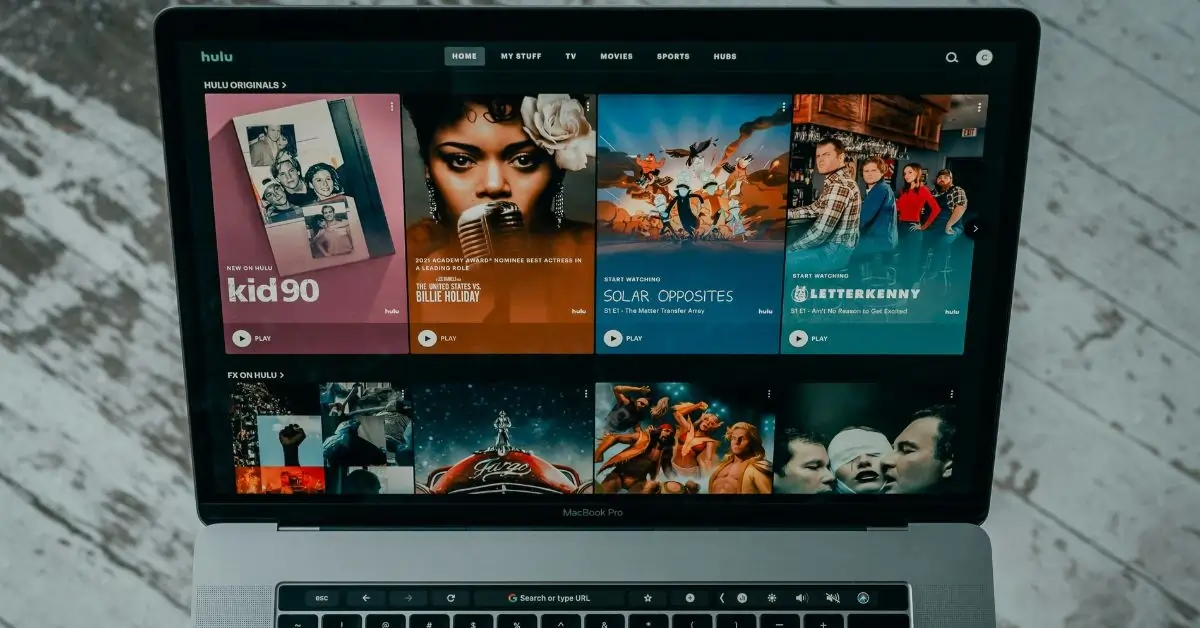
Streaming services have revolutionized how we watch and engage with media over the past several years. From Netflix to Amazon Prime to Hulu, such services have framed not only how we view content but, perhaps more importantly, how we conceptualize global culture. Let's explore how these services affect cultural accessibility, change our viewing behaviors, and even transform content creation.
The Evolution of Streaming Services
To understand how media is consumed today, one has to reflect on how it got here. For many years, traditional cable TV was the only option, and you needed to strictly conform to the tight schedules that these broadcasts presented. You were just out of luck if you happened to miss your favorite show. Of course, rentals allowed some flexibility, but you still had to leave the house to pick up the disks. Then came the revolution of streaming technology. YouTube was one of the first on-demand viewing entities that started business in the early 2000s, however, Netflix launched as a streaming service in 2007 after its initial premise as a DVD rental company. This was a pivotal moment in how we consume media and highly changed the industry from that point on. So, once internet speeds across the world started to get better, it became far more mainstream, and subscriptions shot up. For example, it is reported by the Pew Research Center that well over 70 percent of Americans now subscribe to at least one streaming service. It doesn't come as a surprise to find out just how deeply this technology is integrated into our daily lives.
Cultural Accessibility and Diversity
One of the most fascinating things about steaming services is their potential for exposure to such a wide array of content. The large libraries filled with films and series from all over the world amaze viewers with material that, in many cases, was impossible to access until today. Think of the phenomenon of "Money Heist" from Spain or "Squid Game" from South Korea. These shows have captured the attention of people well beyond their home borders. This greater accessibility should lead to a rich cultural exchange, allowing viewers to learn about a wide range of lifestyles and perspectives. Most of the services are focusing on international content in order to enrich the media landscape. Netflix, in particular, has invested deep in local productions, which have allowed more varieties of stories and textures of cultures to be expressed. The success of films like "Parasite," replete with Oscars, too shows just how foreign films can leave their mark upon audiences across the world.
Changes in Viewing Habits
Streaming services have indeed managed to change the very reason we watch television. Binge-watching, watching multiple episodes of a show in one sitting has become so popular that it's almost like a cultural tradition. Several studies put forward that the time spent weekly by viewers to watch their favorite series is on the rise. It has given rise to a new social behavior whereby friends and family get together to watch the entire season in one go. But all of that comes at its own set of implications. While binge-watching is said by some to foster solitude, some people feel it fosters their social relationships. In a study from Nielsen, about 60% of viewers would want to watch shows with friends or family. And for that matter, yes, streaming can enhance relationships-even in a digital space.
Impact on Content Creation and Distribution
Streaming services have completely changed not only how content is made but also how it's distributed. Traditional media firms have had to acquiesce to the fact that streaming services exist and, many times, include it in their business models. With this kind of shift in consumer behavior, there are opportunities for creators to make content that's niche, content perhaps that wouldn't find its place in traditional media. This also means analytics plays the biggest role in data transformation. The streaming platforms, with viewer preference data helping them, suggest content that precisely matches the taste of every individual viewer. Take, for instance, Netflix, which has turned audience insights into a string of hits, ranging from documentaries all the way to scripted series. "The Crown" and "Stranger Things" are examples of how a deep understanding of viewer behavior might translate into mainstream success. The democratization of content through streaming has been another major factor. With Amazon Prime Video, for instance, independent filmmakers now have the option to reach audiences on all continents. This exposes opportunities for fresh storytelling and carries diverse voices into general media.
Cultural Globalization vs. Local Identity
This is where the debate between cultural globalization and local identity comes in, with streaming services promoting more and more global content. While this makes a variety of international content available, it also promotes a more uniform culture. As a result, viewers often gravitate toward popular shows from dominant cultures, which can overshadow local stories. On the other hand, it also features local content that caters to specific audiences. Take Hulu's "Ramy," for example, it presents a unique perspective on the Arab-American experience, showing that a local story can resonate on a global scale. This double impact puts a new spin on the imperative for greater cultural identity within broader narratives. So, many critics are afraid that the Western media replaces local traditions. On the other hand, provided streaming services continue investing in local productions, there may emerge such a possible balance between globalization and salvation of culture. South Korea and India are examples of how local content may go global yet retain its unique voice.
Conclusion
The influence of streaming services on global cultural consumption is at once complex and significant: changing what we watch and where we watch it, how we access it, and even how it gets created and distributed. As the debate over globalization versus local identity remains widespread, it's clear that streaming services are a crucial part of how we consume media today.
cultural insights