The Role of Virtual Influencers in Redefining Global Cultural Trends
Written by TechFrontline Team
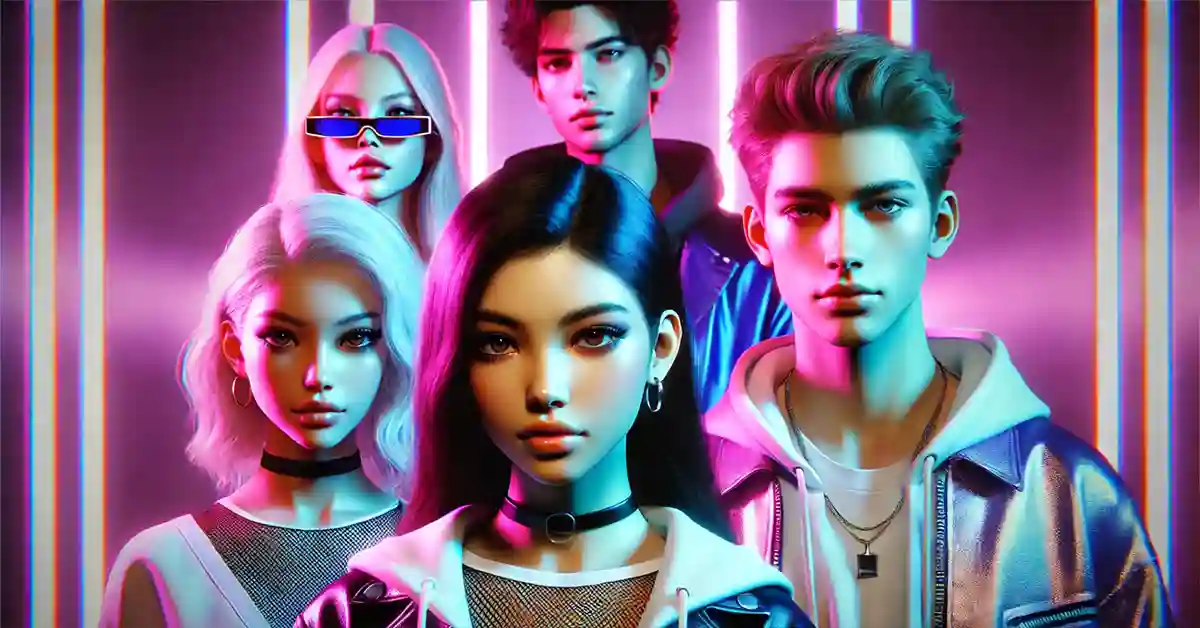
Rising power in the digital marketing scene, virtual influencers are changing our view of consumerism, influence, and culture. Created by CGI and artificial intelligence, these digital personas—which reflect brands—engage audiences, lead campaigns free from human constraints unlike those of human influencers. In this comprehensive guide, we'll explore how virtual influencers are redefining global cultural trends, their unique impact, and the key dynamics behind their success.
The Emergence of Virtual Influencers
The concept of virtual influencers—completely digital characters powered by artificial intelligence and graphic design—has quickly gained traction in various industries. Initially seen as a niche or experimental marketing tool, virtual influencers are now major players on social media platforms, especially Instagram and TikTok.Working with worldwide brands in fashion, technology, entertainment, and other fields, these digital personas have gathered millions of followers. Virtual influencers combine marketing strategy, technology, and creative ability specially. They provide a controlled approach for companies to develop ideal alliances and produce well-chosen content since they allow constant customizing. They challenge the conventional human-influencer model and establish new cultural trends worldwide, embodying a fresh, futuristic approach to influencer marketing.
The Appeal of Virtual Influencers
1. Perfect Branding Control
One of the main benefits virtual influencers present is total control over branding.Unlike human influencers who might have personal opinions or make divisive choices, virtual influencers are totally under control by the companies or creators behind them..This ensures that the message they convey is always on-brand, consistent, and devoid of unpredictable human behavior.
2. Global Accessibility and Appeal
Because virtual influencers are designed, they can be easily adapted to appeal to diverse cultures and markets. This has allowed them to become global icons, often transcending traditional geographic and cultural barriers. For example, Lil Miquela, one of the most famous virtual influencers, has garnered millions of followers worldwide due to her adaptable and trend-setting digital persona.
3. Cost-Effectiveness
Another factor contributing to the rise of virtual influencers is cost-effectiveness. Unlike human influencers, virtual influencers don’t demand fees for physical appearances, travel, or other expenses. They are scalable, and their content can be created in-house, making them a more efficient and affordable solution for brands.
Virtual Influencers Shaping Cultural Trends
Fashion and Beauty Trends
Virtual influencers are particularly prominent in the fashion and beauty industries, where they showcase new styles, model clothing, and collaborate with top designers. Their hyper-realistic CGI appearance often challenges conventional beauty standards, giving rise to new ideas around inclusivity and body image in fashion.
Technology and Gaming Influences
With tech companies leveraging virtual influencers to promote gadgets, apps, and gaming products, these digital personas play a crucial role in shaping trends around futuristic products.Virtual influencers with a tech-savvy, futuristic aesthetic often resonate with younger audiences, sparking new consumer interests in gaming and tech culture.
Social and Ethical Movements
Despite being digital creations, virtual influencers have participated in social and ethical movements, contributing to discussions on sustainability, mental health, and equality. By aligning with certain causes, virtual influencers can become powerful advocates for social change, further cementing their influence over global cultural trends.
Challenges Facing Virtual Influencers
Authenticity and Trust
A key challenge facing virtual influencers is authenticity. Consumers are increasingly drawn to influencers who they feel are real and relatable, and virtual influencers lack the same level of human connection. While some audiences are fascinated by their futuristic allure, others remain skeptical about how genuine or trustworthy a virtual figure can be.
Ethical Concerns
Virtual influencers also raise ethical concerns regarding transparency. For instance, there are debates around the lack of disclosure when brands use virtual influencers to promote products. Should brands be required to clarify that an influencer is not real? The line between reality and fiction is becoming blurred, leading to questions about consumer manipulation.
The Human Factor
While virtual influencers are valuable marketing tools, they cannot fully replace human interaction. Human influencers offer unique emotional connections, which resonate on a deeper level with audiences. Brands may struggle to balance using virtual influencers while still maintaining authenticity and relatability.
The Future of Virtual Influencers
Expansion into the Metaverse
With the rapid development of the metaverse, virtual influencers are expected to gain even more prominence. Digital personas fit virtual worlds since they interact with users in immersive, interactive surroundings. Virtual influencers driving marketing campaigns in these new digital environments will help to shape our consumption of entertainment, interactions with brands, and participation with culture.
Increased AI Integration
As artificial intelligence continues to evolve, the capabilities of virtual influencers will expand. Advanced AI could allow these influencers to interact in real time with audiences, offering personalized responses and creating more meaningful connections with followers. This development would further blur the lines between reality and digital, ushering in a new era of social media engagement.
Conclusion: Redefining Influence
Virtual influencers are more than just a marketing tool; they represent a shift in how we engage with content and culture. By blending technology with creativity, these digital personas are setting trends, influencing consumer behavior, and challenging traditional models of influence. While they come with unique challenges—such as authenticity concerns and ethical questions—their role in shaping global cultural trends is undeniable. As AI and virtual reality continue to grow, the future of virtual influencers will likely evolve, further redefining how we understand and experience cultural trends in the digital age.
cultural insights