Virtual Reality Travel: Exploring Destinations Without Leaving Your Home
Written by TechFrontline Team
In recent years, virtual reality (VR) has transformed various aspects of our lives, and one of the most exciting applications is in travel. Imagine being able to visit the Louvre in Paris or hike through the Grand Canyon without ever leaving your living room. Virtual reality travel is not just a dream, it’s a growing phenomenon that combines technology and exploration, making travel more accessible and engaging than ever.
The Technology Behind VR Travel
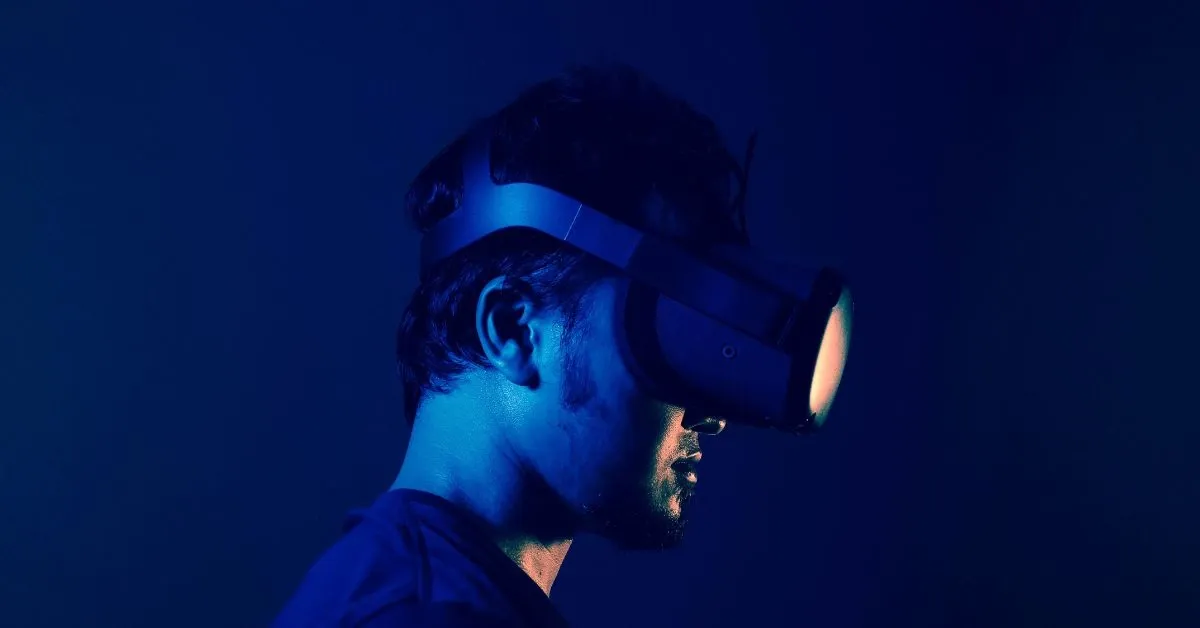
At the heart of virtual reality travel is a combination of cutting-edge technology that immerses users in digital environments. VR technology is based on the creation of a virtual three-dimensional environment with which the user interacts using specifically designed equipment to make the experience very real or physical. Such equipment generally includes but is not limited to VR headsets like Oculus Quest and HTC Vive headsets that provide an immersive experience through 3D visuals and spatial audio. The experience is often enhanced by 360-degree videos, which allow users to look around in all directions. Many travel platforms and apps, such as Google Earth VR and Wander, leverage these technologies to transport users to iconic locations around the globe. These platforms often feature user-friendly interfaces that make it easy for anyone to explore stunning landscapes and cultural landmarks from the comfort of their homes.
Benefits of Virtual Reality Travel
Perhaps the single greatest virtue of virtual reality travel is that it makes travel accessible. Conventional travel, for people with severe disabilities or other conditions which make getting about difficult, can be an absolute drag. VR traveling removes all those barriers and lets everyone see places they may never get to. Educational institutions are also tapping into this potential, studies show that VR can enhance learning by providing immersive experiences that traditional classrooms cannot offer. Moreover, virtual travel can be much more cost-effective. Flights, accommodation, and meals all add up quickly, making travel very expensive for a lot of people. VR means you can explore the world at a fraction of the cost. In a time when environmental concerns are becoming ever so relevant, virtual travel also presents its own green alternative.
Popular Virtual Reality Travel Destinations
As VR technology continues to evolve, so does the variety of experiences available. Some popular destinations for virtual exploration include:
- The Grand Canyon: Experience breathtaking views and immersive hikes through one of America’s most famous national parks.
- The Louvre: Walk through the halls of this iconic museum, marveling at masterpieces like the Mona Lisa, all from the comfort of your home.
- Santorini, Greece: Enjoy stunning sunsets over the Aegean Sea, where the vibrant colors of the island's architecture come to life in a virtual setting.
Travel platforms such as AirPano and National Geographic offer extensive libraries of 360-degree virtual tours, allowing users to explore breathtaking natural wonders and historical landmarks. These experiences not only entertain but also educate users about different cultures and histories.
Challenges and Limitations of Virtual Reality Travel
While the advantages of virtual reality travel are numerous, there are challenges and limitations to consider. One major limitation is the cost of equipment. A good VR set is pretty costly, and not everyone has the technological capability to really appreciate that kind of experience. The VR experience, while visual and auditory, doesn't even begin to really simulate the haptic, tactile, or sensory components of physical travel. You will be able to see such breathtaking landscapes, hear the sounds of bustling streets but you won't be able to feel the warmth of the sun or the texture of ancient stonework. Without this multisensory engagement, a virtual experience may be less fulfilling than a real-life experience.
The Future of Virtual Reality in Tourism
The future of virtual reality in tourism is bright, with continuous advancements in technology promising even more immersive experiences. Experts predict that the integration of artificial intelligence and augmented reality will take VR travel to new heights. Imagine a scenario where you could interact with virtual guides or have customized experiences based on your interests. As VR technology becomes more mainstream, we can expect travel companies and tourism boards to invest more in virtual experiences. According to a report from the World Economic Forum, virtual reality could revolutionize the tourism industry by providing not only promotional content but also genuine experiences that can influence travel decisions.
Conclusion
Virtual reality travel offers an incredible opportunity to explore the world in ways we never thought possible. From the technology powering these experiences to the benefits they bring along with them, VR travel changes how we think about exploration. It does not replace the beauty of actually traveling but becomes a vital tool for education, accessibility, and environmental sustainability. As long as technology improves, so does the prospect of virtual reality within the tourism sector. Whether you’re a seasoned traveler or someone who prefers the comforts of home, virtual reality travel opens up a world of possibilities. So, strap on your headset and prepare for a journey that transcends borders right from your living room.
FAQs About Virtual Reality Travel
Can I use VR for educational purposes? Absolutely! Many educational institutions use VR to create immersive learning environments, allowing students to explore historical sites, scientific phenomena, and cultural landmarks without leaving the classroom.
Is VR travel cheaper than real travel? Generally, yes. Virtual travel eliminates many of the costs associated with traditional travel, such as flights and accommodations, making it a budget-friendly option.
What equipment do I need for VR travel? To experience virtual reality travel, you typically need a VR headset and a compatible device, like a PC or gaming console. Some apps are also available for smartphones, offering a more accessible entry point.
travel guides